
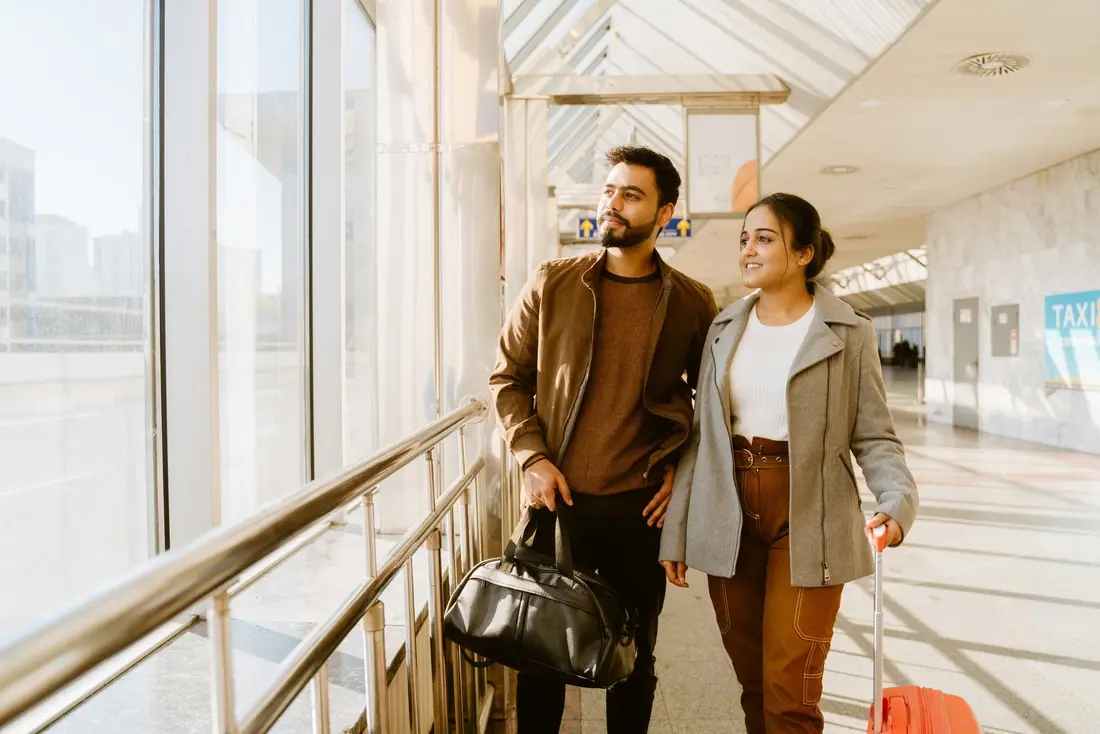
Travel is more than moving from one place to another; it is a transformative experience that connects people with cultures, history, and nature. Whether you are planning your first trip abroad or considering a long-term adventure, travel provides opportunities to grow, learn, and embrace perspectives far beyond your daily life. By understanding how to approach travel thoughtfully, you can create experiences that are both memorable and meaningful.
Why Travel Matters
Travel allows you to step outside of your comfort zone and discover new ways of living. It is not just about ticking off destinations on a map but about gaining insights into traditions, cuisines, landscapes, and communities. The anchor text Travel embodies curiosity, exploration, and cultural exchange, making it an essential aspect of personal growth and global understanding.
Benefits of Travelling
-
Broadens perspective: Experiencing different cultures helps challenge stereotypes and encourages open-mindedness.
-
Boosts mental well-being: Breaks from routine reduce stress and inspire creativity.
-
Strengthens relationships: Shared adventures bring families and friends closer.
-
Encourages adaptability: Navigating unfamiliar situations builds resilience and confidence.
Planning Your Trip
Good travel experiences begin with careful planning. While spontaneity adds excitement, structure ensures your journey is safe, enjoyable, and cost-effective.
Choosing the Right Destination
When selecting where to go, consider:
-
Budget: Assess the cost of flights, accommodation, and daily expenses.
-
Season: Research the best time to visit for weather and local events.
-
Purpose: Decide if your goal is relaxation, adventure, cultural immersion, or a mix of all three.
Setting a Realistic Budget
Financial planning is crucial. Break down expenses into:
-
Flights and transportation
-
Accommodation
-
Food and drink
-
Activities and tours
-
Emergency funds
Creating a budget helps prevent overspending and allows you to enjoy your trip without financial worry.
Travel Documents and Essentials
Ensure your passport is valid for at least six months beyond your return date. Some destinations require visas, vaccinations, or specific entry permits. Travel insurance is also a wise investment to cover medical emergencies, cancellations, or lost belongings.
Different Types of Travel
Not all travel experiences are alike. Each style offers unique opportunities for learning and enjoyment.
Solo Travel
Solo journeys provide independence and self-discovery. You can set your own pace, focus on personal interests, and meet people without distraction.
Group Travel
Travelling with family, friends, or organised tours brings companionship and shared experiences. It is ideal for those who enjoy social connections and structured itineraries.
Adventure Travel
For thrill-seekers, activities like hiking, diving, or skiing provide adrenaline-fuelled experiences while exploring natural wonders.
Cultural Travel
Visiting museums, historical landmarks, festivals, and traditional markets deepens appreciation for local heritage.
Sustainable Travel
Eco-conscious travellers focus on reducing their environmental footprint by supporting local businesses, avoiding over-tourism hotspots, and respecting cultural norms.
Embracing Local Culture
Immersing yourself in a destination’s culture makes travel more rewarding. Learn a few words of the local language, try regional dishes, and respect traditions. For instance, dining etiquette varies across countries, and simple gestures of politeness can enhance your interactions.
Food as a Gateway to Culture
Food is often at the heart of cultural identity. From street food markets in Bangkok to family-run trattorias in Italy, sampling authentic cuisine connects you with the local way of life.
Festivals and Traditions
Participating in local celebrations, such as a harvest festival or national holiday, provides a firsthand look at community values and history.
Practical Tips for Smooth Travel
Packing Smart
-
Pack versatile clothing suited to the climate.
-
Use packing cubes to organise items.
-
Carry essential medications and travel-sized toiletries.
-
Keep a small first-aid kit handy.
Staying Safe
-
Keep copies of important documents.
-
Use hotel safes for valuables.
-
Stay alert in crowded areas to avoid pickpockets.
-
Research local customs to avoid misunderstandings.
Technology and Travel
Travel apps for maps, language translation, and budgeting simplify the journey. Offline maps are especially useful in regions with limited internet access.
Making Travel More Sustainable
Tourism can strain resources if not managed responsibly. To travel sustainably:
-
Choose eco-friendly accommodation.
-
Support local artisans and small businesses.
-
Avoid single-use plastics.
-
Travel by train or bus when possible.
Small actions, when multiplied by millions of travellers, create significant positive impacts on the planet.
FAQs about Travel
How can I overcome fear of travelling alone?
Start with short trips closer to home before embarking on longer solo journeys. Book accommodation with strong reviews and join group tours to meet people along the way.
What is the best way to save money while travelling?
Opt for off-peak travel seasons, use public transport, and book accommodations like guesthouses or hostels. Cooking some meals instead of eating out every day also reduces costs.
Is travel insurance really necessary?
Yes, travel insurance protects you against unexpected events such as medical emergencies, lost luggage, or trip cancellations. It gives peace of mind and can save significant costs in emergencies.
How can I make my trips more meaningful?
Engage with locals, volunteer where appropriate, or take cultural workshops like cooking or art classes. Meaningful travel goes beyond sightseeing and fosters deeper connections.
What should I do if I get sick while travelling?
Seek local medical care immediately. Most countries have pharmacies that can provide basic remedies. Travel insurance can help cover costs for more serious treatments.
