
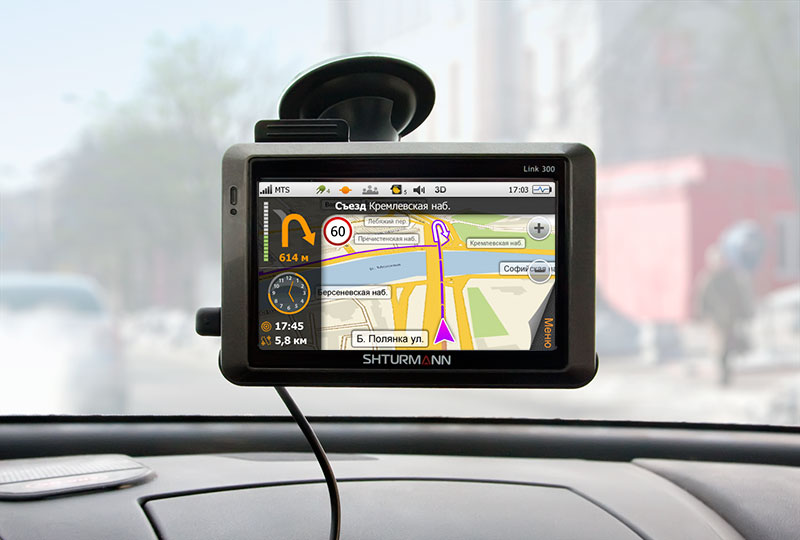
Modern vehicles increasingly rely on car navigation systems to guide drivers efficiently from one location to another. These systems combine satellite technology, digital mapping, sensors, and intelligent algorithms to calculate the best routes and provide real-time guidance. Whether built into the car or accessed through smartphone integration, navigation systems have transformed the way people travel.
Understanding how these systems work reveals the complex technology behind the simple turn-by-turn directions drivers see on their screens.
What Is a Car Navigation System?
A car navigation system is a digital system that determines a vehicle’s position and provides directions to a desired destination. It typically displays routes on a map and offers voice instructions to guide drivers along the way.
Most modern systems are integrated into a vehicle’s infotainment system, though many drivers also use mobile navigation apps connected through platforms like Apple CarPlay or Android Auto.
Core Functions
Car navigation systems perform several essential tasks:
- Determine the vehicle’s exact location
- Display the current position on a digital map
- Calculate the optimal route to a destination
- Provide turn-by-turn voice and visual directions
- Update routes based on traffic conditions or road closures
Key Components of a Car Navigation System
A car navigation system works by combining several technologies that communicate continuously with each other.
1. GPS Receiver
The Global Positioning System (GPS) is the backbone of vehicle navigation.
- A network of satellites orbiting Earth sends timing signals.
- The car’s GPS receiver detects signals from multiple satellites.
- Using trilateration, the system calculates the vehicle’s exact location.
To determine a precise position, the system usually requires signals from at least four satellites.
2. Digital Map Database
Navigation systems rely on a detailed map database stored either locally in the vehicle or accessed through cloud services.
These maps contain information such as:
- Roads and highways
- Street names
- Traffic directions
- Points of interest (POIs)
- Speed limits
- Landmarks and intersections
The navigation software overlays the vehicle’s GPS position onto this map to show where the car is located.
3. Navigation Software
The software is responsible for analyzing routes and providing instructions. It uses algorithms to determine the best path to a destination.
Typical route calculations consider:
- Distance
- Estimated travel time
- Speed limits
- Traffic congestion
- Road restrictions
The software can also recalculate routes if the driver takes a wrong turn.
4. Vehicle Sensors
Many modern systems include additional sensors that improve accuracy, especially when GPS signals are weak.
Common sensors include:
- Wheel speed sensors
- Gyroscopes
- Accelerometers
These sensors enable dead reckoning, allowing the system to estimate the vehicle’s movement when satellite signals are temporarily lost (for example, inside tunnels or parking garages).
5. User Interface
The user interface allows drivers to interact with the system through:
- Touchscreen displays
- Voice commands
- Steering-wheel controls
- Physical buttons or rotary knobs
The interface displays maps, route instructions, and other driving information in an easy-to-read format.
How GPS Determines Vehicle Location
The navigation system calculates the vehicle’s position using signals from GPS satellites.
Each satellite continuously transmits:
- Its current location
- A precise timestamp
The GPS receiver measures how long the signals take to reach the car. By comparing signals from multiple satellites, the system calculates the vehicle’s position on Earth.
The process involves:
- Measuring signal travel time from each satellite.
- Converting time into distance.
- Using trilateration to determine the exact coordinates.
The resulting coordinates are then placed on the digital map.
Route Calculation and Guidance
Once the destination is entered, the navigation software analyzes possible routes and selects the best option.
Factors Used in Route Calculation
The system considers several variables when selecting a route:
- Shortest distance
- Fastest travel time
- Road types (highways vs. local roads)
- Traffic conditions
- Toll roads or restrictions
Turn-by-Turn Navigation
After selecting a route, the system guides the driver with:
- Visual map guidance
- Spoken directions
- Lane guidance
- Distance alerts before turns
If the driver deviates from the route, the system quickly recalculates a new path.
Real-Time Traffic Updates
Many modern navigation systems provide real-time traffic data. This information comes from multiple sources, including:
- Mobile phone data from other drivers
- Traffic monitoring systems
- Government transportation data
- Connected vehicle networks
When congestion or accidents are detected, the navigation system may suggest alternate routes to reduce travel time.
Offline vs Online Navigation Systems
Navigation systems can operate in two main modes.
Offline Navigation
Offline systems store maps directly inside the vehicle.
Advantages
- Works without internet access
- Faster response times
- Reliable in remote areas
Limitations
- Requires manual map updates
- Traffic data may be limited
Online Navigation
Online systems use internet connectivity to access maps and traffic data.
Advantages
- Real-time updates
- More accurate traffic information
- Frequent map updates
Limitations
- Requires mobile data connection
- May consume bandwidth
Many modern vehicles combine both approaches for better reliability.
Advanced Features in Modern Navigation Systems
Today’s car navigation systems include several advanced technologies that improve driving convenience.
Voice Control
Drivers can enter destinations or search for locations using voice commands, reducing distractions.
Predictive Routing
Some systems learn driver habits and suggest routes based on:
- Regular commuting patterns
- Time of day
- Frequently visited locations
Augmented Reality Navigation
Newer vehicles display navigation arrows directly on the road view using cameras and augmented reality.
Integration with Smart Devices
Navigation systems can sync with smartphones to access:
- Contacts
- Calendar events
- Destination history
Benefits of Car Navigation Systems
Navigation systems provide multiple advantages for drivers.
Major benefits include:
- Reduced travel time
- Easier route planning
- Improved fuel efficiency
- Lower driver stress
- Better awareness of surroundings
These systems also help drivers explore unfamiliar areas with greater confidence.
Future of Car Navigation Technology
Navigation technology continues to evolve alongside advancements in connected vehicles and artificial intelligence.
Future developments may include:
- AI-powered predictive routing
- Vehicle-to-vehicle communication
- Integration with autonomous driving systems
- High-precision satellite navigation
As these technologies improve, navigation systems will become even more accurate and intelligent.
Frequently Asked Questions (FAQs)
1. Do car navigation systems work without internet?
Yes. Many built-in navigation systems use offline maps stored in the vehicle. However, real-time traffic updates may require an internet connection.
2. How accurate are car GPS navigation systems?
Most modern GPS systems are accurate within 3–5 meters under normal conditions, though accuracy may decrease in areas with tall buildings or heavy tree cover.
3. Why does GPS sometimes lose signal in tunnels?
GPS signals come from satellites in space, and physical barriers like tunnels or underground areas block these signals. Navigation systems rely on sensors and dead reckoning until signals return.
4. What is dead reckoning in car navigation?
Dead reckoning is a method where the navigation system estimates the vehicle’s position using speed, direction, and sensor data when GPS signals are unavailable.
5. How often should navigation maps be updated?
Map updates are usually recommended once or twice a year to ensure the latest road changes, speed limits, and points of interest are included.
6. Are smartphone navigation apps better than built-in car systems?
Smartphone apps often provide more frequent updates and better traffic data, while built-in systems usually offer stronger integration with vehicle hardware.
7. Can navigation systems help save fuel?
Yes. By selecting shorter or faster routes and avoiding traffic, navigation systems can help reduce driving time and improve fuel efficiency.
