
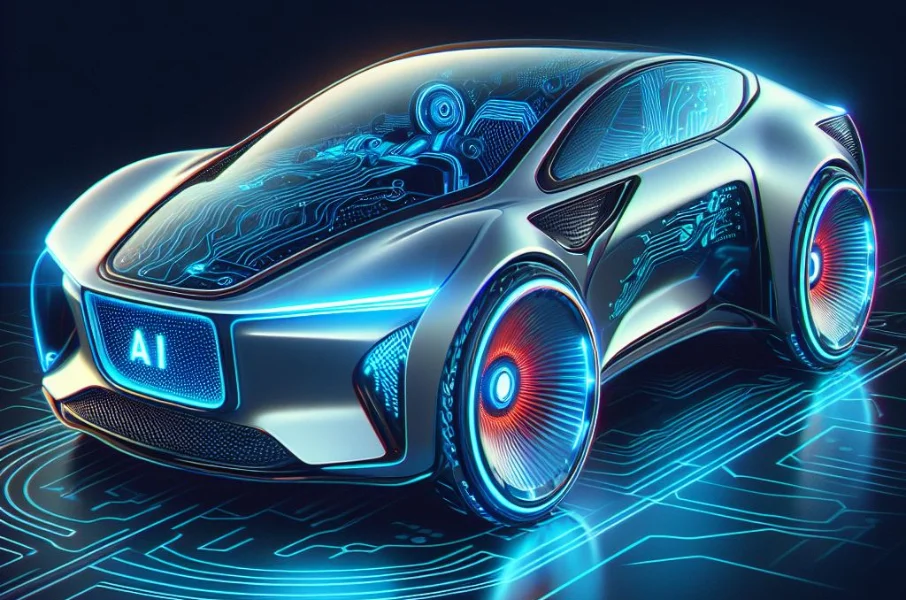
The automobile industry is undergoing one of the most significant transformations in its history. The evolution of auto technology is shaping how we travel, interact with vehicles, and even how cities are designed. From electric cars to autonomous systems, the modern car is more than just a mode of transport – it is becoming a smart, connected, and sustainable mobility solution.
The Rise of Electric Vehicles
One of the most prominent shifts in the auto sector is the move towards electric vehicles (EVs). Growing environmental concerns and stricter government regulations on emissions are driving manufacturers to innovate at an unprecedented pace.
Key benefits of EVs
-
Lower running costs: Electricity is cheaper than petrol or diesel, and EVs require less maintenance.
-
Environmental advantages: Zero exhaust emissions significantly reduce urban air pollution.
-
Government incentives: Tax benefits and purchase grants make EVs more affordable for buyers.
While infrastructure challenges like charging networks remain, investment in rapid charging stations and battery technology is closing the gap, making EVs a practical choice for many.
Autonomous Driving and AI Integration
The development of autonomous vehicles is revolutionising how we view car ownership and road safety. Self-driving technology powered by artificial intelligence is no longer a futuristic dream but an evolving reality.
Levels of autonomy
-
Level 1–2: Assistance with steering, acceleration, and braking.
-
Level 3–4: Conditional automation where the car can drive itself in certain conditions.
-
Level 5: Full automation requiring no human input at all.
The integration of AI into the auto industry is also helping with predictive maintenance, driver assistance systems, and smart traffic management, ultimately aiming to reduce accidents caused by human error.
Connectivity and the Internet of Cars
Modern vehicles are more connected than ever. Cars now communicate not only with drivers but also with infrastructure and other vehicles.
Examples of connectivity
-
Real-time traffic updates to optimise routes
-
Vehicle-to-vehicle communication to avoid collisions
-
Over-the-air software updates that improve performance without a garage visit
This growing network is often referred to as the Internet of Cars, and it plays a crucial role in building smart cities.
Sustainability Beyond Electric
While electric cars are the centrepiece of sustainability discussions, other innovations are contributing to greener auto solutions.
-
Hybrid technology bridging the gap between combustion engines and full electric.
-
Hydrogen fuel cells offering longer ranges and quick refuelling times.
-
Recyclable materials in car manufacturing reducing environmental impact.
Manufacturers are not only rethinking powertrains but also production methods to lower carbon footprints.
The Changing Face of Car Ownership
Another shift reshaping the auto industry is how people view ownership. Urbanisation, digital platforms, and flexible lifestyles are transforming consumer preferences.
Emerging alternatives
-
Car-sharing services for short-term, cost-effective access.
-
Subscription models that allow drivers to switch vehicles based on their needs.
-
Ride-hailing platforms reducing the need for individual ownership altogether.
This evolution challenges traditional car sales but opens new revenue streams for manufacturers and service providers.
Safety Innovations
Safety has always been at the core of automotive development, but new technologies are setting higher standards.
-
Advanced Driver Assistance Systems (ADAS) detect hazards and intervene when necessary.
-
360-degree cameras and sensors improve visibility.
-
Automatic emergency braking reduces collision risks.
These features are not just luxury add-ons but are increasingly becoming standard, ensuring safer journeys for all.
Impact on Urban Development
The evolution of the auto industry also influences how cities are built and organised. Reduced emissions, shared mobility, and autonomous cars will transform urban landscapes.
-
Less need for parking spaces due to shared and self-driving vehicles.
-
Cleaner air and quieter streets from widespread EV adoption.
-
Integration of smart infrastructure like charging hubs and intelligent traffic lights.
Cities that adapt early will experience improved efficiency and quality of life for their residents.
Challenges Facing the Auto Industry
Despite exciting progress, the industry faces significant hurdles.
-
High production costs of new technologies
-
Infrastructure gaps, especially in developing nations
-
Cybersecurity threats due to increased connectivity
-
Consumer trust in autonomous systems
Addressing these challenges requires collaboration between governments, manufacturers, and technology providers.
FAQs About Auto Industry Innovations
Will electric cars eventually replace petrol and diesel vehicles completely?
It is likely that petrol and diesel vehicles will gradually phase out, especially in urban areas where emission restrictions are becoming stricter. However, complete replacement will take decades as infrastructure and affordability improve.
How safe are self-driving cars compared to human drivers?
Current autonomous systems are still under development, but studies suggest they could eventually reduce accidents significantly by removing human error, which is the leading cause of road accidents.
What role does 5G play in the auto industry?
5G connectivity enhances real-time communication between vehicles and infrastructure, making autonomous driving smoother and improving overall safety.
Can hydrogen fuel cell cars compete with EVs?
Hydrogen cars offer longer ranges and fast refuelling, but the lack of refuelling infrastructure limits their adoption. They are more likely to complement EVs rather than replace them.
Will traditional car dealerships survive the digital shift?
Dealerships will remain relevant but will evolve into mobility hubs, offering not just sales but subscriptions, services, and customer experiences tailored to digital-first consumers.
