
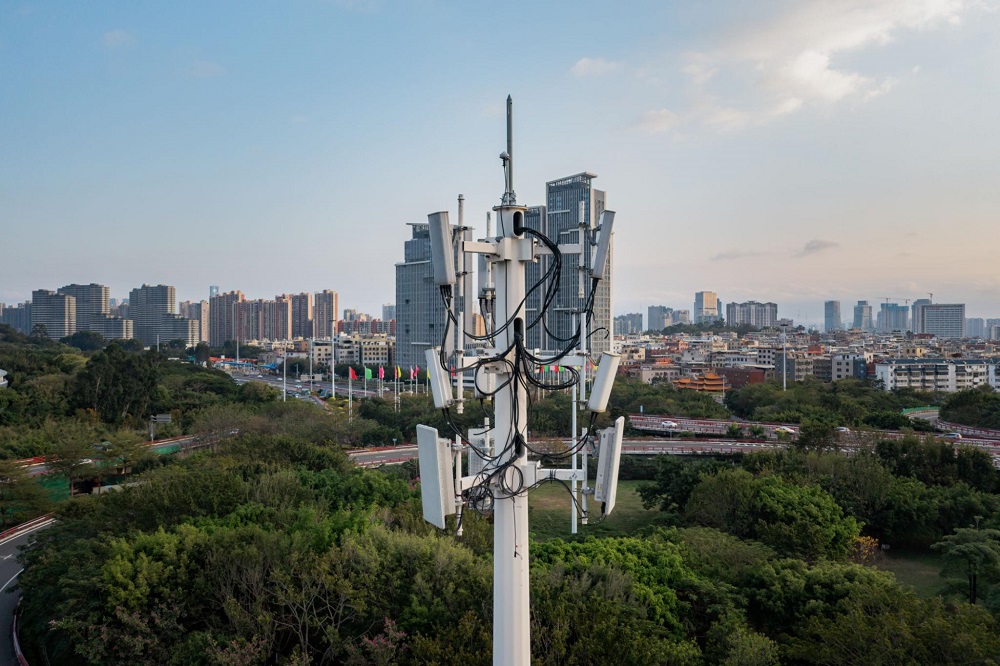
The rapid evolution of communication technologies has reshaped how people, businesses, and governments interact across the world. Among these advancements, 5G technology stands out as a transformative milestone that promises to redefine global connectivity. As the fifth generation of mobile networks, 5G offers significantly faster speeds, ultra-low latency, and the ability to connect millions of devices simultaneously.
Unlike previous generations, 5G is not just about faster smartphones. It forms the backbone of emerging technologies such as smart cities, autonomous vehicles, remote healthcare, and the Internet of Things (IoT). By enabling seamless real-time communication between devices and systems, 5G is accelerating digital transformation across industries and regions.
Understanding 5G Technology
5G is the latest evolution of wireless communication networks designed to deliver higher data speeds, improved reliability, and greater capacity compared to earlier generations like 4G LTE.
Key technological advancements behind 5G include:
- Higher frequency spectrum bands that support faster data transmission
- Massive MIMO (Multiple Input Multiple Output) for improved signal efficiency
- Network slicing that allows customized virtual networks for different services
- Edge computing to reduce latency by processing data closer to users
Together, these innovations enable the network to support complex digital ecosystems that require instant communication and large-scale connectivity.
Key Features That Differentiate 5G
Several capabilities distinguish 5G from previous mobile technologies.
1. Ultra-Fast Speeds
5G networks can reach speeds up to 100 times faster than 4G, allowing users to download large files, stream ultra-high-definition video, and access cloud services almost instantly.
2. Extremely Low Latency
Latency refers to the time it takes for data to travel between devices. With 5G, latency can drop to as low as 1 millisecond, enabling real-time applications such as:
- Remote robotic surgery
- Autonomous driving systems
- Industrial automation
3. Massive Device Connectivity
5G supports millions of connected devices per square kilometer, making it ideal for powering smart infrastructure and IoT networks.
4. Enhanced Network Reliability
Improved architecture allows networks to remain stable even during heavy traffic, ensuring uninterrupted communication in dense urban areas and large events.
How 5G Is Transforming Global Connectivity
The deployment of 5G networks is reshaping how people and systems communicate worldwide.
Expanding Digital Access
5G improves connectivity in both urban and rural regions by enabling high-speed wireless broadband where fiber infrastructure is limited. This can help bridge the digital divide by providing better internet access to underserved communities.
Accelerating the Internet of Things (IoT)
The Internet of Things relies on networks that can handle vast numbers of devices simultaneously. With its massive device capacity, 5G allows smart sensors, appliances, vehicles, and machines to operate efficiently in connected ecosystems.
Examples include:
- Smart homes and energy grids
- Connected transportation systems
- Industrial monitoring and predictive maintenance
Enabling Smart Cities
Cities worldwide are adopting digital infrastructure powered by 5G to improve urban management and sustainability. Smart city applications include:
- Intelligent traffic systems
- Smart lighting and waste management
- Real-time environmental monitoring
These solutions enhance efficiency while reducing costs and environmental impact.
Transforming Healthcare
Healthcare is one of the industries expected to benefit significantly from 5G connectivity.
Potential applications include:
- Remote patient monitoring through wearable devices
- Telemedicine consultations with high-definition video
- Robotic-assisted surgeries performed remotely
By enabling faster data transmission and low latency, 5G helps deliver medical services to patients regardless of location.
Revolutionizing Industry and Manufacturing
5G is also driving the Industry 4.0 revolution. Factories equipped with 5G networks can implement advanced automation systems and real-time monitoring technologies.
Benefits include:
- Increased production efficiency
- Reduced operational downtime
- Enhanced workplace safety through automated systems
Economic Impact of 5G
The expansion of 5G infrastructure is expected to create significant economic opportunities worldwide.
Key impacts include:
- Growth of new digital industries and startups
- Increased productivity through automation and AI integration
- Job creation in telecommunications, software development, and infrastructure deployment
Governments and private sectors are investing billions of dollars in 5G networks to remain competitive in the global digital economy.
Challenges and Considerations
Despite its potential, the adoption of 5G also presents several challenges.
Infrastructure Costs
Building 5G networks requires dense deployment of small cell towers and upgraded infrastructure, which can be expensive for telecom providers.
Security Concerns
As billions of devices become interconnected, maintaining cybersecurity and protecting sensitive data becomes increasingly complex.
Spectrum Allocation
Governments must manage radio spectrum efficiently to ensure fair access for telecom companies and minimize interference.
Global Adoption Gaps
While developed regions are rapidly deploying 5G networks, many developing countries still face infrastructure and investment barriers, slowing adoption.
The Future of 5G Connectivity
As 5G networks continue to expand globally, their influence will extend far beyond faster mobile internet. Emerging technologies such as augmented reality (AR), virtual reality (VR), artificial intelligence, and autonomous transportation rely heavily on the capabilities provided by 5G infrastructure.
In the coming years, 5G will likely become the foundation for a fully connected digital ecosystem, enabling seamless communication between people, devices, and intelligent systems across the world.
Frequently Asked Questions (FAQs)
1. What makes 5G different from 4G?
5G offers significantly faster speeds, lower latency, and the ability to connect far more devices simultaneously compared to 4G networks.
2. How fast is 5G internet?
5G networks can potentially deliver speeds of up to 10 gigabits per second, depending on network conditions and infrastructure.
3. Will 5G replace Wi-Fi?
5G is unlikely to replace Wi-Fi completely. Instead, both technologies will complement each other, with Wi-Fi providing local connectivity and 5G supporting broader mobile networks.
4. Is 5G safe for public use?
Current scientific research indicates that 5G operates within established safety guidelines for radiofrequency exposure set by international health organizations.
5. How does 5G support smart cities?
5G enables real-time data collection and communication between connected devices, helping cities manage traffic, energy consumption, public safety, and infrastructure more efficiently.
6. When will 5G be available worldwide?
Many countries have already begun rolling out 5G networks, but global coverage will take several years as infrastructure continues to expand.
7. Which industries benefit the most from 5G?
Industries such as healthcare, manufacturing, transportation, agriculture, and entertainment are expected to benefit significantly from 5G connectivity.
