
Health is more than the absence of illness; it is a state of complete physical, mental, and social well-being. In today’s fast-paced world, people are increasingly aware of how lifestyle choices impact long-term vitality. Understanding the foundations of health can help us build routines that support energy, prevent chronic disease, and enhance overall quality of life.
The Pillars of Good Health
Nutrition and Balanced Diet
What we eat has a profound effect on how we feel, perform, and age. A balanced diet ensures the body receives essential nutrients such as proteins, carbohydrates, fats, vitamins, and minerals.
-
Whole foods first: Fresh fruits, vegetables, whole grains, legumes, lean proteins, and healthy fats should form the core of daily meals.
-
Hydration: Drinking adequate water supports digestion, joint lubrication, and cognitive function.
-
Portion control: Overeating, even of healthy food, can lead to weight gain and strain on the body.
-
Mindful eating: Paying attention to hunger cues and eating slowly prevents excessive calorie intake.
Physical Activity
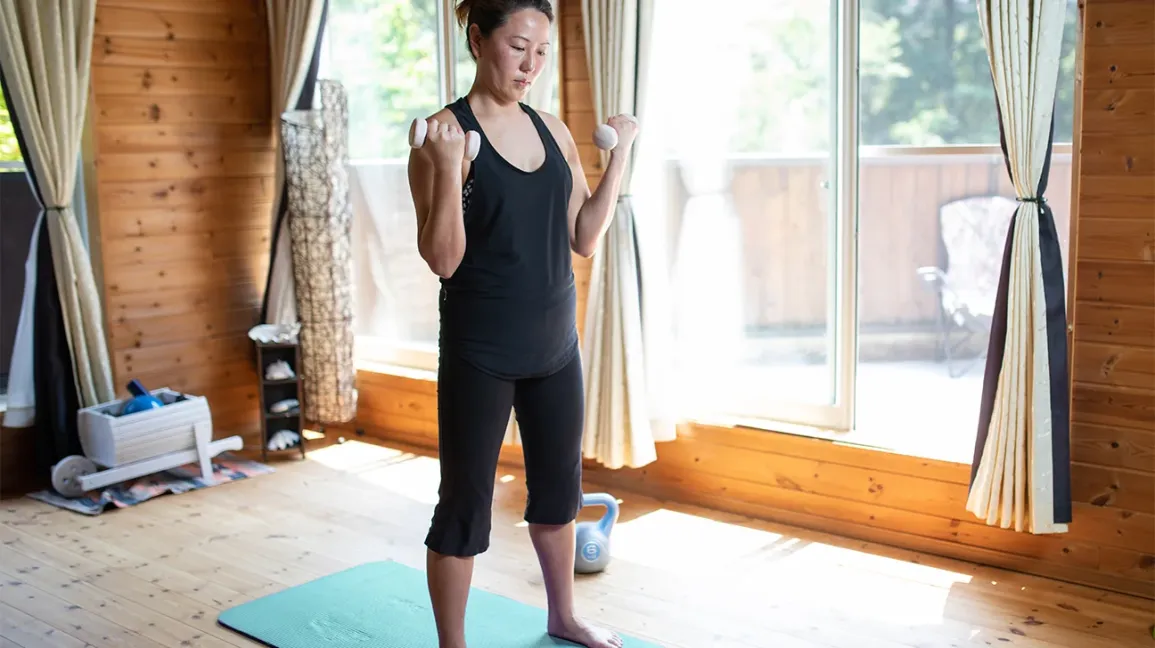
Exercise is a cornerstone of good health. Regular physical activity strengthens the heart, muscles, and bones, while reducing stress.
-
Aim for at least 150 minutes of moderate aerobic activity weekly.
-
Incorporate strength training to maintain muscle mass and bone density.
-
Activities like walking, swimming, cycling, and yoga improve flexibility and cardiovascular health.
-
Movement throughout the day is just as important as structured exercise.
Sleep and Recovery
Sleep is often underestimated, yet it is crucial for healing and regeneration.
-
Adults need 7–9 hours of quality sleep each night.
-
Poor sleep contributes to obesity, anxiety, and weakened immunity.
-
A consistent sleep schedule and a relaxing bedtime routine improve rest.
-
Avoiding screens before bed and reducing caffeine intake also enhance sleep quality.
Mental and Emotional Well-Being
Stress Management
Chronic stress negatively impacts heart health, digestion, and mood. Effective coping strategies include:
-
Meditation and mindfulness practices.
-
Breathing exercises for relaxation.
-
Taking short breaks during work.
-
Spending time in nature to reset the mind.
Social Connections
Strong relationships promote resilience and reduce the risk of mental health issues. Sharing experiences, having supportive friends, and staying connected with family provide emotional balance.
Mental Stimulation
Keeping the brain active reduces cognitive decline. Reading, learning new skills, and problem-solving activities help maintain mental sharpness.
Preventive Health Practices
Regular Check-Ups
Preventive screenings identify risks before they become serious. Blood pressure monitoring, cholesterol checks, and cancer screenings are vital for early detection.
Immunisation
Vaccinations protect against infectious diseases that can have long-term complications.
Hygiene
Simple habits like regular handwashing, oral care, and safe food preparation play a major role in disease prevention.
The Role of Lifestyle Choices
Avoiding Harmful Substances
-
Limiting alcohol reduces liver and cardiovascular risks.
-
Avoiding smoking lowers the chances of cancer, lung disease, and premature ageing.
-
Reducing processed food intake supports digestive health.
Work-Life Balance
Modern life often blurs professional and personal boundaries. Setting boundaries, scheduling downtime, and prioritising relaxation prevent burnout.
Special Considerations for Different Life Stages
Children and Adolescents
-
Require nutrient-rich foods for growth.
-
Adequate sleep is essential for learning and development.
-
Regular physical activity fosters lifelong habits.
Adults
-
Focus on maintaining healthy weight and preventing chronic diseases.
-
Regular health screenings become more important with age.
Older Adults
-
Bone health and mobility are priorities.
-
Social interaction prevents loneliness and supports mental health.
-
Balanced nutrition with sufficient calcium and vitamin D helps prevent osteoporosis.
Holistic Health Approaches
Mind-Body Connection
Practices such as yoga, tai chi, and meditation demonstrate how mental and physical health are interlinked. These techniques improve flexibility, reduce stress, and enhance focus.
Nutrition Therapy
Dietary adjustments can reduce symptoms of conditions such as diabetes, hypertension, and digestive disorders. A personalised approach often yields the best outcomes.
Alternative Therapies
Massage, acupuncture, and aromatherapy are increasingly recognised as supportive practices alongside traditional medicine.
Building Sustainable Healthy Habits
Creating lasting change requires consistency, not perfection. Small adjustments such as walking daily, reducing sugar, or practising gratitude can compound into major improvements over time.
-
Set realistic goals rather than drastic ones.
-
Track progress with journals or apps to stay motivated.
-
Reward yourself with positive reinforcement for staying on track.
FAQs on Health
How much water should I drink daily?
On average, adults should aim for around 2–2.5 litres per day, but needs vary based on activity level, climate, and health conditions.
Is it necessary to take supplements if I eat a balanced diet?
Not always. Most nutrients should come from food, but supplements may be beneficial if there are deficiencies or specific medical needs.
Can stress really cause physical illness?
Yes, chronic stress increases the risk of heart disease, high blood pressure, digestive issues, and weakened immunity.
What is the best type of exercise for overall health?
A combination of aerobic activity, strength training, and flexibility exercises provides the most comprehensive benefits.
How can I boost my immunity naturally?
Maintaining a balanced diet, getting enough sleep, exercising regularly, and reducing stress are the best natural immunity boosters.
Why is mental health as important as physical health?
Because emotional well-being affects decision-making, productivity, and resilience. Neglecting mental health can lead to long-term health complications.
At what age should regular health screenings begin?
Screenings should start in adulthood, typically from the age of 18 onwards, with more specialised tests recommended after 40.
