
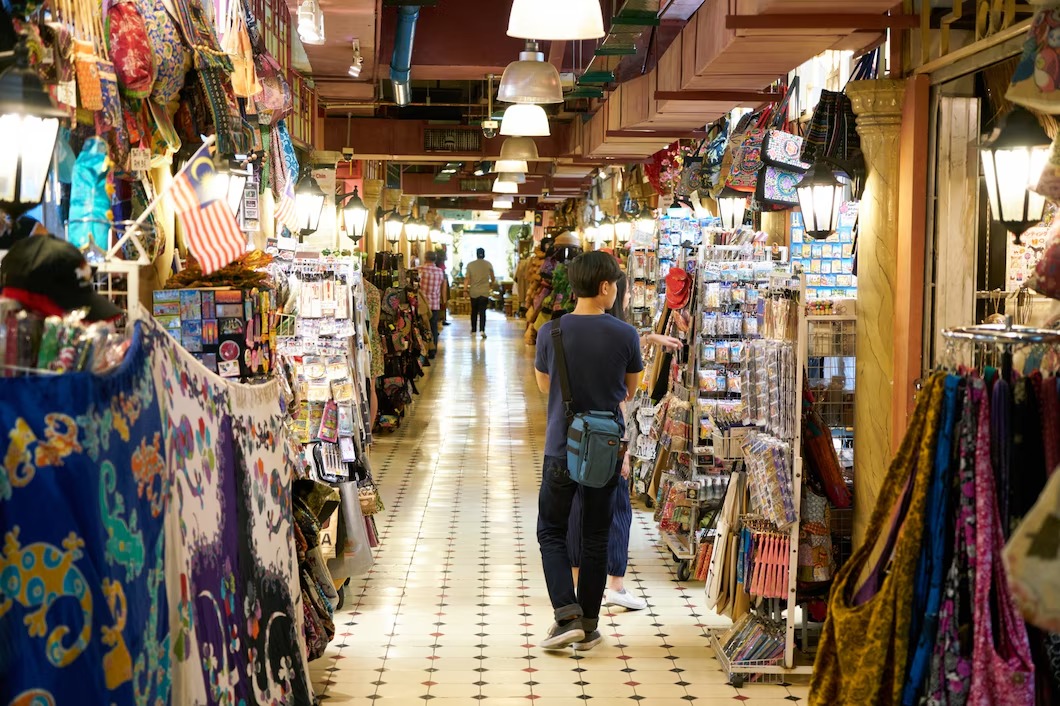
Shopping is more than a simple exchange of money for goods; it’s an activity deeply woven into everyday life. Whether it’s buying groceries, clothing, electronics, or luxury products, shopping shapes how people experience convenience, comfort, and style. With the rise of digital platforms and modern consumer habits, shopping has become both a necessity and a leisure pursuit.
The Importance of Shopping in Daily Life
Shopping is an essential aspect of life, connecting people with products and services that enhance well-being. It provides access to food, healthcare products, fashion, and technology, making it central to modern living. Beyond necessity, shopping also influences lifestyles, trends, and personal expression.
Many people associate shopping with convenience, social interaction, and even stress relief. For instance, strolling through high streets or browsing an online store can offer relaxation after a long day. The role of shopping is no longer limited to basic needs; it reflects identity, status, and personal choice.
Types of Shopping Experiences
The evolution of consumer behaviour has introduced different shopping experiences, each catering to unique preferences.
In-Store Shopping
In-store shopping remains popular due to the ability to physically inspect products. Key benefits include:
-
The chance to try, touch, and feel items before buying.
-
Immediate product availability without delivery wait times.
-
Assistance from sales staff who provide expert advice.
Online Shopping
Online shopping has grown rapidly, offering convenience at the click of a button. Advantages include:
-
Shopping anytime, anywhere.
-
Wider range of products than most physical stores.
-
Easy price comparison and access to reviews.
Window Shopping
Window shopping involves browsing without an immediate intention to purchase. It serves as:
-
A source of inspiration for future purchases.
-
A way to stay updated on trends.
-
A leisure activity, often done with friends or family.
Grocery and Everyday Shopping
For household essentials, grocery shopping is unavoidable. Whether it’s done in supermarkets or through online delivery services, it ensures:
-
Access to fresh food and supplies.
-
Time-saving through recurring orders or subscription services.
-
Budget management with bulk buying options.
Factors That Influence Shopping Decisions
Every purchase is influenced by a variety of factors. Understanding these can help consumers make smarter decisions.
Price and Value
Shoppers often weigh price against value. A higher cost doesn’t always mean better quality, but many buyers link affordability with practicality.
Brand Trust
Trustworthy brands encourage repeat purchases. Consistency in quality, customer service, and ethical practices strengthens loyalty.
Peer Recommendations
Word of mouth and online reviews strongly influence decisions. Many consumers feel more confident buying products endorsed by friends or trusted communities.
Convenience
The rise of home delivery and click-and-collect services highlights how convenience drives modern shopping habits.
Smart Shopping Strategies
With so many options, shoppers need strategies to make purchases worthwhile.
Budgeting
Creating a shopping budget prevents overspending and supports financial health. Simple practices include:
-
Listing essentials before visiting shops.
-
Tracking monthly expenses.
-
Separating needs from wants.
Comparing Prices
Using comparison tools and apps ensures better deals. Checking multiple platforms before purchase can save significant amounts over time.
Seasonal Sales
Taking advantage of sales during festive or seasonal periods is a cost-saving approach. Many shoppers wait for discounts to purchase higher-value items.
Loyalty Programmes
Joining store memberships or loyalty schemes can offer:
-
Exclusive discounts.
-
Cashback rewards.
-
Priority access to sales.
The Role of Technology in Shopping
Technology continues to transform shopping experiences.
Mobile Shopping Apps
Mobile apps make purchasing faster and more personalised. Features like push notifications alert users to sales and exclusive deals.
Digital Payment Systems
Cashless transactions provide safer and quicker checkouts. Options like contactless cards and e-wallets are now widely used.
Personalisation through AI
Many online platforms use algorithms to recommend products based on browsing history, creating tailored shopping experiences.
The Social Side of Shopping
Shopping is not only about products but also social connections. Visiting markets, shopping centres, or even browsing online with friends creates shared experiences. For some, shopping is therapeutic, reducing stress and lifting moods.
Sustainable Shopping: A Growing Movement
Modern consumers are increasingly aware of environmental and ethical issues. Sustainable shopping involves:
-
Choosing eco-friendly products.
-
Supporting fair-trade and ethical brands.
-
Reducing waste by opting for reusable items.
Shoppers who embrace sustainability contribute positively to both society and the environment.
Challenges of Modern Shopping
While shopping has many benefits, challenges also exist:
-
Overconsumption leading to waste.
-
Online scams and counterfeit products.
-
Impulse buying influenced by targeted advertising.
Awareness and self-control help mitigate these issues.
FAQs About Shopping
What are the benefits of online shopping over in-store shopping?
Online shopping offers unmatched convenience, wider selections, and the ability to compare prices easily. However, in-store shopping allows customers to physically check the quality and fit of items before purchase.
How can I avoid impulse buying?
Make a shopping list and stick to it, set a budget, and take time before committing to larger purchases. Avoid shopping when tired or stressed, as this often leads to impulsive decisions.
What is sustainable shopping?
Sustainable shopping refers to purchasing products that are environmentally friendly, ethically produced, and designed to minimise waste. This includes supporting local markets, choosing reusable items, and reducing single-use plastics.
Are loyalty programmes really worth it?
Yes, loyalty programmes can be highly beneficial if you regularly shop at the same store. They often provide discounts, cashback, or early access to promotions that save money over time.
How can technology improve the shopping experience?
Technology enhances convenience through mobile apps, digital payments, and AI-driven recommendations. It also improves security in transactions and offers tools for tracking spending and deals.
