
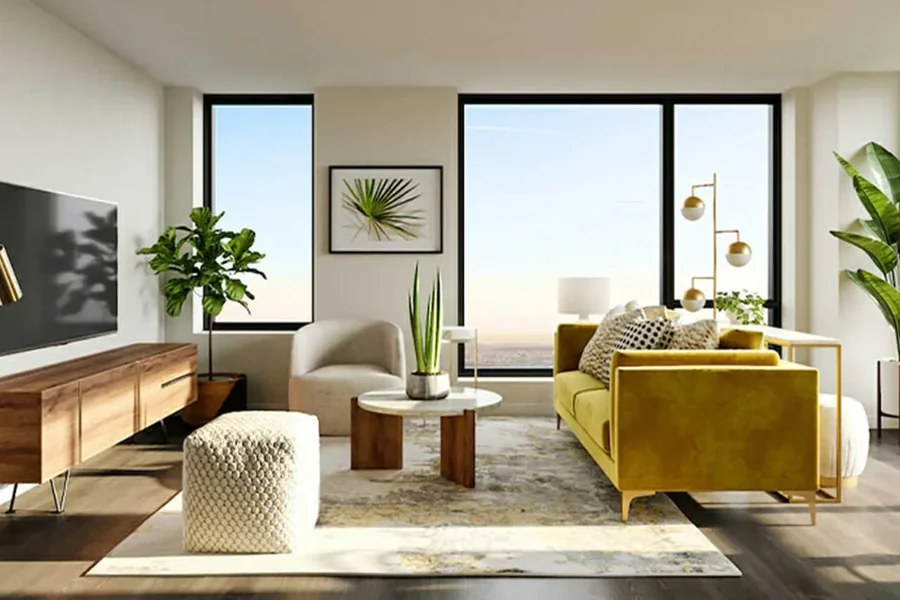
A home is far more than walls, bricks and mortar. It is the heart of our daily lives, the space where we experience comfort, nurture relationships, and create lasting memories. For many, the word home conjures feelings of safety, identity and belonging. Beyond being a shelter, it reflects culture, personality and lifestyle. Understanding the significance of home requires exploring its physical, emotional, social and even financial dimensions.
The Emotional Importance of Home
A home provides a sense of stability and security. It is where people find comfort after a long day and where life’s most meaningful milestones take place. The environment of a home influences mood, productivity and mental health. A clutter-free, well-lit and organised space, for example, can foster peace of mind and clarity of thought.
Psychological Wellbeing
-
Homes create emotional anchors that reduce stress and promote calmness.
-
Familiar surroundings provide reassurance during uncertain times.
-
Personal touches such as photos, heirlooms and decorations reflect identity and nurture self-expression.
Family Bonds and Memories
Homes are the backdrop of milestones: a child’s first steps, festive gatherings, or evenings spent sharing meals. These moments transform an ordinary house into a cherished memory-filled space.
The Practical Value of Home
While emotions define the essence of home, practicality shapes its daily role. A home is also an economic asset, a functional living environment and a base for modern lifestyles.
Shelter and Comfort
-
Protection from weather and external dangers.
-
A space tailored to personal comfort, such as heating, cooling and furnishings.
-
Functional areas designed for cooking, sleeping and leisure.
A Financial Asset
Owning a home is often the largest financial investment a person makes. Property provides long-term stability and potential growth in value. Renting, while flexible, still makes home central to financial planning.
Designing and Creating a Comfortable Home
The way a home is designed influences how people feel and live within it. From interior design to the layout of rooms, thoughtful planning enhances both beauty and functionality.
Interior Design Choices
-
Lighting: Natural light creates openness and reduces fatigue.
-
Colours: Warm tones add cosiness, while neutral shades promote relaxation.
-
Furniture: Comfortable, functional furniture maximises space use.
Organisation and Functionality
An organised home supports efficient daily routines. Storage solutions, multi-purpose furniture and clutter-free designs create practical comfort. Homes tailored to their residents’ needs promote efficiency and reduce stress.
Home as a Reflection of Identity
A home mirrors personality and lifestyle choices. Everything from decorative styles to the type of plants or artwork on display reflects individuality.
Cultural Influence
Homes often incorporate cultural elements that honour heritage, such as traditional art, furniture or family customs. These add depth and meaning to the living environment.
Personal Style
Minimalists might prefer clean lines and simplicity, while others embrace vibrant colours and eclectic décor. Both approaches transform a house into a reflection of its inhabitants.
Community and Social Connection
Homes are not isolated spaces but parts of wider neighbourhoods and communities. The location of a home influences quality of life and access to social connections.
Neighbourhood Value
-
Proximity to schools, parks and workplaces.
-
Access to healthcare, shopping and leisure facilities.
-
Safety, noise levels and community spirit.
Building Relationships
Neighbours and local communities form an extended sense of belonging. Social gatherings, shared resources and local events strengthen this bond.
Sustainability in Homes
Modern lifestyles highlight the importance of sustainable living. A sustainable home reduces environmental impact and promotes healthier living.
Energy Efficiency
-
Insulation and energy-saving appliances reduce costs and consumption.
-
Solar panels and renewable energy sources contribute to eco-friendly living.
Eco-Friendly Choices
Choosing recycled materials, water-saving fixtures and indoor plants not only reduces waste but also creates a healthier environment within the home.
Technology and the Modern Home
Technology is reshaping what it means to live at home. Smart homes integrate comfort, convenience and safety in ways unimaginable a few decades ago.
Smart Living
-
Automated lighting and heating systems.
-
Security systems accessible via smartphones.
-
Voice-controlled assistants for everyday tasks.
Remote Work and Study
The rise of remote working has shifted focus to home office design. Comfortable workspaces, reliable internet connections and ergonomic furniture have become priorities.
Home and Lifestyle Changes
As lifestyles evolve, so do the expectations of homes. Flexible spaces now play a crucial role, allowing adaptation to changing family dynamics and working patterns.
Multi-Functional Rooms
Living rooms doubling as workspaces or guest rooms demonstrate the growing demand for flexibility. Homes must adjust to balance personal and professional lives.
Wellbeing-Oriented Design
Wellness-inspired design includes meditation areas, indoor gardens and fitness spaces. Homes are increasingly becoming wellness hubs.
Frequently Asked Questions (FAQ)
Q1: How can I make my home feel more relaxing without major renovations?
Simple changes like rearranging furniture, decluttering, adding soft lighting, and using calming colours can transform a space into a more relaxing environment.
Q2: What is the difference between a house and a home?
A house is a physical structure, while a home carries emotional, social and personal meaning. It is where people feel safe, comfortable and connected.
Q3: How do I design a home office in a small space?
Opt for compact furniture, wall-mounted desks and shelves, and maximise natural light. Keeping the area clutter-free improves focus and productivity.
Q4: What role does location play in making a home valuable?
Location affects convenience, community interaction and long-term financial value. Proximity to schools, healthcare and transport often enhances desirability.
Q5: How can I make my home more sustainable on a budget?
Start with energy-efficient bulbs, proper insulation, water-saving taps and recycling practices. Small steps contribute to significant long-term impact.
Q6: Why is natural light so important in homes?
Natural light boosts mood, supports better sleep cycles and reduces energy bills. Homes with good natural light feel more open and welcoming.
Q7: What makes a home truly personal?
Personal items such as photographs, books, travel souvenirs or cultural artefacts create emotional depth and identity, making a house truly feel like home.
