
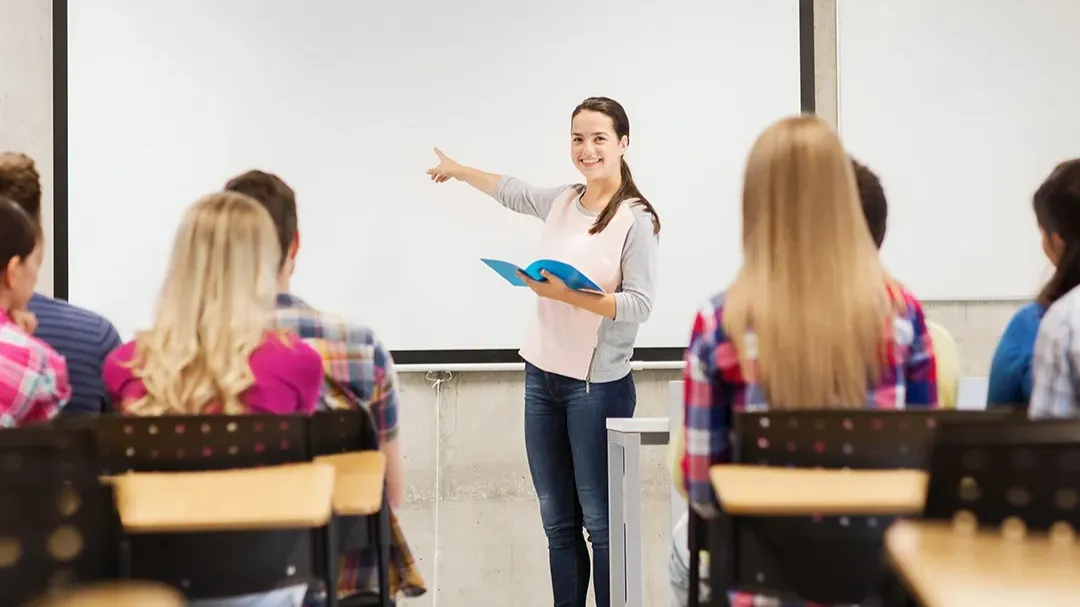
Communication is one of the most essential skills for personal, academic, and professional success. In modern education systems, learning is no longer limited to memorizing facts; it also focuses on expressing ideas clearly, listening actively, and collaborating effectively.
Education plays a crucial role in shaping how individuals communicate. Through classroom discussions, presentations, group activities, and interactive learning environments, students gradually develop the ability to articulate thoughts, understand others, and build meaningful relationships.
Developing communication skills through education empowers individuals to participate confidently in society, solve problems collaboratively, and thrive in their careers.
Why Communication Skills Matter in Education
Strong communication abilities help students perform better academically and socially. They also prepare learners for professional environments where teamwork and clear expression are essential.
Key reasons communication skills are vital in education include:
- Improved academic performance through clear understanding and expression of ideas
- Better collaboration during group projects and classroom activities
- Enhanced critical thinking through discussions and debates
- Greater confidence when speaking or presenting in public
- Stronger interpersonal relationships with teachers and peers
Students who develop effective communication skills are better equipped to engage in meaningful learning and contribute constructively to discussions.
The Role of Schools and Universities
Educational institutions play a central role in nurturing communication abilities. Modern teaching approaches emphasize interactive and student-centered learning, encouraging learners to speak, listen, and engage actively.
Schools and universities support communication development through:
Classroom Discussions
Interactive discussions encourage students to express opinions and ask questions. This approach promotes active participation and helps students learn how to present ideas logically.
Group Projects
Collaborative assignments require students to work together, share responsibilities, and communicate effectively to achieve common goals.
Presentations and Public Speaking
Presentations improve confidence and help students develop the ability to structure ideas clearly and deliver them persuasively.
Debate and Critical Dialogue
Debates encourage learners to analyze issues, defend viewpoints, and listen to opposing perspectives respectfully.
These activities create environments where communication becomes a natural part of the learning process.
Key Communication Skills Developed Through Education
Education helps learners cultivate multiple communication competencies that benefit them throughout life.
Verbal Communication
Students practice speaking clearly and confidently during discussions, presentations, and classroom interactions.
Important aspects include:
- Clear articulation of ideas
- Appropriate tone and language
- Logical organization of thoughts
Non-Verbal Communication
Body language, facial expressions, and eye contact also influence how messages are received. Educational environments teach students to be aware of non-verbal cues while interacting with others.
Listening Skills
Effective communication involves not only speaking but also active listening. Students learn to:
- Pay attention to speakers
- Understand different perspectives
- Respond thoughtfully
Written Communication
Assignments, essays, and research papers improve students’ ability to express ideas clearly in written form.
These skills are essential for academic success and professional communication.
Teaching Strategies That Improve Communication Skills
Educators can adopt various methods to strengthen communication development among students.
Interactive Learning
Interactive classrooms encourage students to participate actively rather than passively receiving information.
Examples include:
- Question-and-answer sessions
- Peer discussions
- Collaborative problem-solving
Role-Playing Activities
Role-playing allows students to simulate real-life scenarios, helping them practice communication in practical and meaningful contexts.
Storytelling and Narratives
Encouraging students to share stories improves creativity and helps them learn how to structure messages effectively.
Technology Integration
Digital tools such as video presentations, online discussions, and virtual collaboration platforms help students develop modern communication skills required in the digital age.
Benefits of Developing Communication Skills Through Education
When communication development becomes a core part of education, students gain lifelong advantages.
Major benefits include:
- Higher self-confidence in expressing ideas
- Better teamwork and leadership abilities
- Improved problem-solving through collaboration
- Stronger academic engagement
- Enhanced career opportunities
Professionals with strong communication skills often perform better in leadership roles, negotiations, and workplace collaboration.
Challenges in Developing Communication Skills
Despite its importance, several challenges can affect communication development in education.
Common challenges include:
- Limited classroom participation due to fear of speaking
- Overemphasis on rote learning rather than interaction
- Lack of opportunities for public speaking
- Cultural or language barriers among students
Teachers and institutions must create supportive and inclusive environments where students feel comfortable expressing themselves.
The Future of Communication Skills in Education
As the world becomes more interconnected, communication skills will remain a critical component of education. Modern learning environments are increasingly focusing on:
- Collaborative learning models
- Cross-cultural communication skills
- Digital communication literacy
- Interdisciplinary teamwork
By integrating these approaches, education systems can prepare students for a rapidly evolving global landscape.
Conclusion
Developing communication skills through education is essential for building confident, capable, and socially responsible individuals. Educational institutions serve as powerful platforms where students learn to express ideas, listen to others, and engage in meaningful dialogue.
By incorporating interactive teaching methods, collaborative learning, and real-world communication practices, education can equip students with the skills needed to succeed academically, professionally, and personally.
Frequently Asked Questions (FAQs)
1. Why are communication skills important for students?
Communication skills help students express ideas clearly, collaborate with others, and participate actively in learning environments.
2. How can teachers help students improve communication skills?
Teachers can encourage discussions, group work, presentations, and interactive activities that require students to communicate regularly.
3. What types of communication skills are developed in education?
Education develops verbal, non-verbal, listening, and written communication skills.
4. How do group projects improve communication abilities?
Group projects require students to exchange ideas, solve problems together, and coordinate tasks, strengthening teamwork and communication.
5. Can technology improve communication skills in education?
Yes. Tools such as online discussions, video presentations, and collaborative platforms help students practice digital communication.
6. What challenges do students face in developing communication skills?
Common challenges include fear of public speaking, lack of confidence, language barriers, and limited opportunities for interaction.
7. How do communication skills benefit future careers?
Strong communication abilities help professionals succeed in leadership roles, teamwork, negotiations, and workplace collaboration.
